Is The Row All Hype, or the Next Big Thing?
The Row has become one of fashion's most talked-about brands without ever really behaving like one.
4 minute read
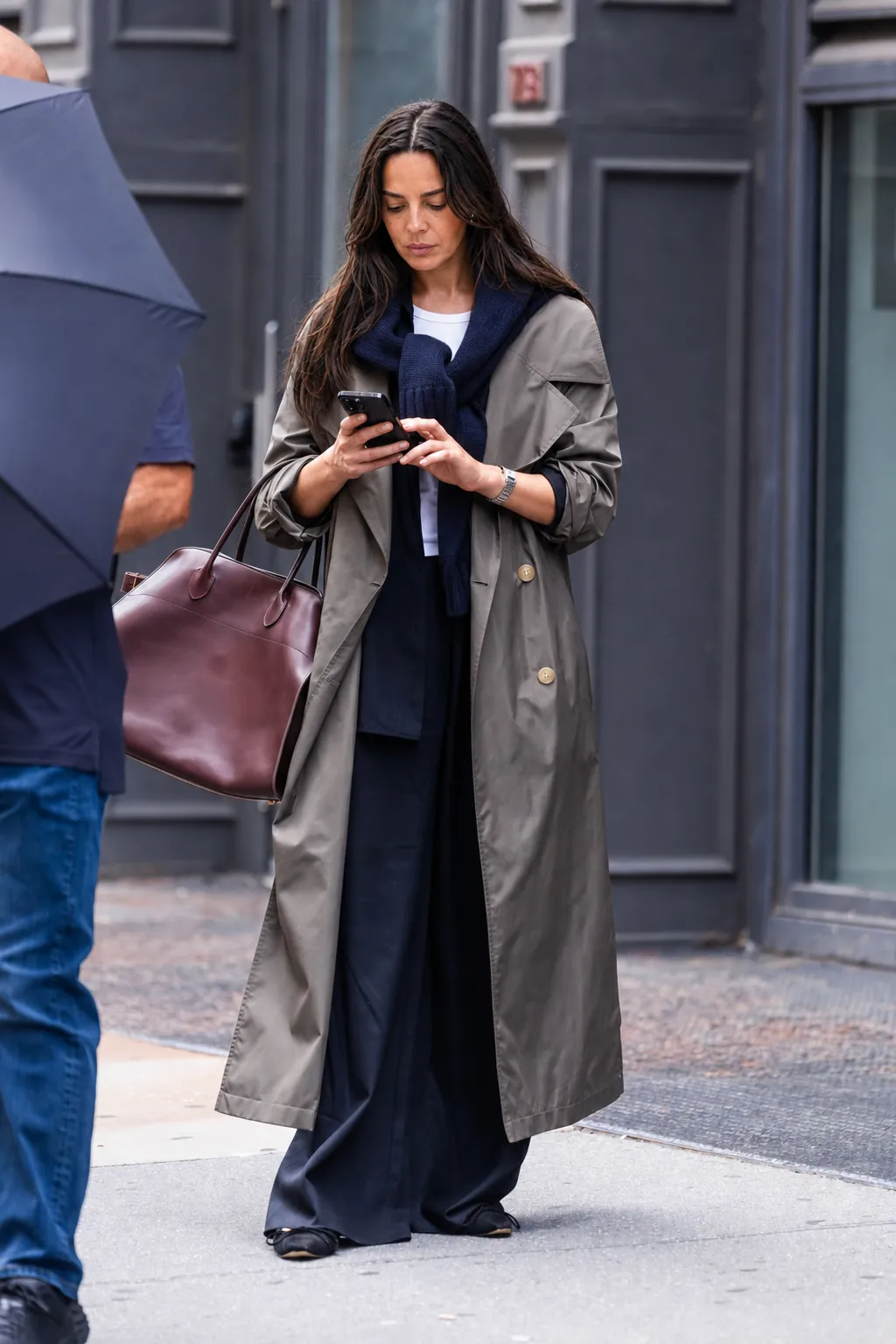
No loud logos. No obvious status symbols. No relentless campaign machine. And yet its bags are everywhere.
The Margaux has moved from cult favourite to modern classic territory, while styles such as the Park, Marlo and newer silhouettes are giving The Row something bigger than one famous bag. So is The Row genuinely becoming one of the great modern handbag brands? Or have we all simply fallen very hard for expensive minimalism?
The Row was quiet before quiet luxury was a thing
The Row was founded by Mary-Kate and Ashley Olsen in 2006. Long before "quiet luxury" became fashion shorthand, the brand was already building its identity around exceptional fabrics, restrained silhouettes and almost no visible branding.
That matters. The Row did not arrive because understated fashion became fashionable. Understatement was always the point. And that consistency is a big part of why the brand feels credible now.
Then came the Margaux
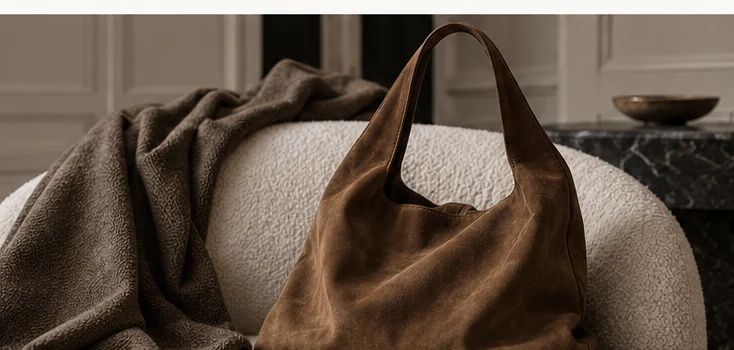
The Margaux changed the conversation. Its open top, soft structure and restrained hardware gave it the feel of an old-school luxury handbag without looking like a copy of an existing icon. Most importantly, it became recognisable without needing a logo.
That is harder to achieve than it sounds. You can spot a Margaux because of its shape, proportions and the way it is carried. Not because the brand name is written across it. That is a very different kind of status signal.
The real appeal is effortlessness
The Row understands something many luxury brands struggle with. A great bag does not always need to dominate the outfit. Some of the strongest Row looks are almost deliberately casual.
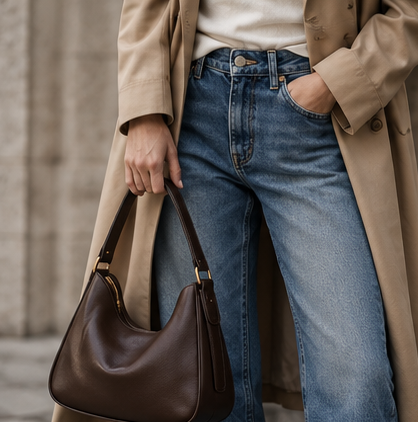
Oversized knit. Wide trousers. Trench coat. Flat shoes. Soft leather bag. Nothing looks overly styled. That is part of the fantasy. The bag feels like something you simply picked up on the way out rather than something the entire outfit was built around.
The Margaux is not doing all the work anymore
If The Row only had the Margaux, it would be easier to dismiss the excitement as hype around one successful bag. But the brand is developing a broader handbag language. The Park tote brings soft, relaxed utility.
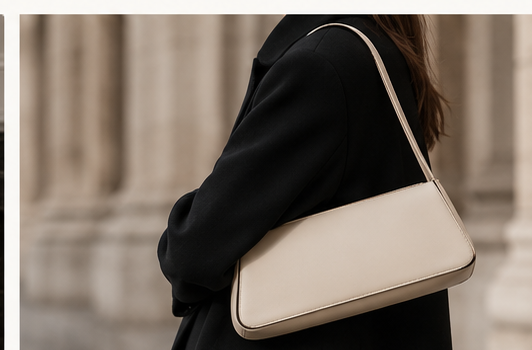
The Marlo takes the oversized tote and makes it feel polished rather than corporate. The Half Moon offers something smaller and cleaner. Newer shapes continue to play with the same ingredients:
softness, proportion, exceptional materials, almost no branding. That consistency starts to feel like a genuine design identity.
There is still plenty of hype
Of course there is. The Row has become a very specific kind of status symbol. Its lack of branding is almost a form of branding in itself.
People who recognise it tend to know exactly what they are looking at. Scarcity, celebrity adoption and fashion-industry obsession have all helped fuel demand. And there is an uncomfortable question that comes with some of its bags.
Could another beautifully made leather tote do essentially the same job? Sometimes, yes. But fashion has never operated entirely on practicality. The feeling matters too.
Where The Row gets it right
The strongest Row bags do three things particularly well. They work with clothes. They look good when they soften with use. And they do not force the rest of the outfit into a particular dress code.
That last point matters. A Margaux works with tailoring. But it does not demand tailoring. A soft tote works with a long coat and loafers.
It also works with denim and trainers. These are bags designed around how people increasingly want to dress. Less polished. Less obvious. More relaxed.
It is luxury you can actually live with
This may be The Row's biggest strength. The bags rarely feel like something you need to save for a special occasion. They are designed to be carried.
Filled. Slouched. Put on the floor. Taken to lunch. Taken on a plane.
Worn with clothes that cost considerably less than the bag itself. That makes them feel surprisingly modern. Luxury becomes part of everyday dressing rather than something that sits above it.
Is The Row the next Hermès?
Probably not. But that may be the wrong question. Hermès is built on generations of heritage, craftsmanship and scarcity.
The Row is creating something different. Its power is cultural. It represents a very current idea of luxury:
quiet, tactile, relaxed and recognisable to the people who care.
That may be enough to make it one of the defining handbag brands of its generation without needing to become the next anything.
So, all hype?
No. There is definitely hype around The Row. But there is substance underneath it. The brand has a clear visual language. It has created several desirable handbag shapes.
And it has an unusual ability to make very ordinary categories, like totes and shoulder bags, suddenly feel interesting again.
Not every Row bag will become an icon. It does not need to.
The more interesting development is that The Row no longer relies on one bag to prove it belongs in the handbag conversation.
The Margaux opened the door. Now the brand has to show it can keep walking through it. So far, it looks like it can.
The MEA Edit
- The hype
- Real
- The design credibility
- Also real
- Best for
- Relaxed wardrobes and understated dressing
- The appeal
- Shape, material and attitude rather than logos
- How we would wear it
- Trench, knitwear, wide-leg trousers, denim and flats
MEA verdict: The Row is no longer waiting to become the next big thing. It is already helping define what modern luxury looks like.
Brand Focus / The Row / Quiet Luxury / Margaux / Minimalism / Handbags / Trends