Fendi Reimagines the Baguette for 2026
Nearly 30 years after its debut, Fendi is bringing the Baguette back into focus. We look at what has changed, why the shape still works and how the new collection fits into a modern wardrobe.
4 minute read
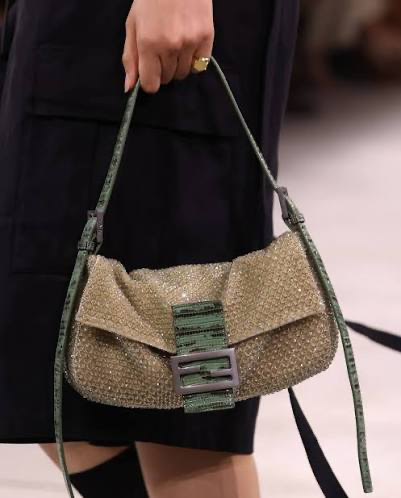
Few bags have the ability to move between generations quite like the Fendi Baguette. First launched in 1997, it became one of the defining bags of the late 1990s and early 2000s. Nearly three decades later, Fendi is putting the silhouette back at the centre of its Fall/Winter 2026 collection with a new series of Baguette 26424 designs. The timing feels right.
The collection arrives following Maria Grazia Chiuri's return to Fendi as Chief Creative Officer. Before Dior and Valentino, Chiuri worked at Fendi and was part of the accessories team during the period in which the original Baguette was created. That makes this less of a revival and more of a return to one of the brand's strongest design codes.
The Baguette, reworked for now
The new Baguette 26424 keeps the familiar compact shape and under-the-arm proportions of the original, but the finish is where Fendi has pushed things forward.
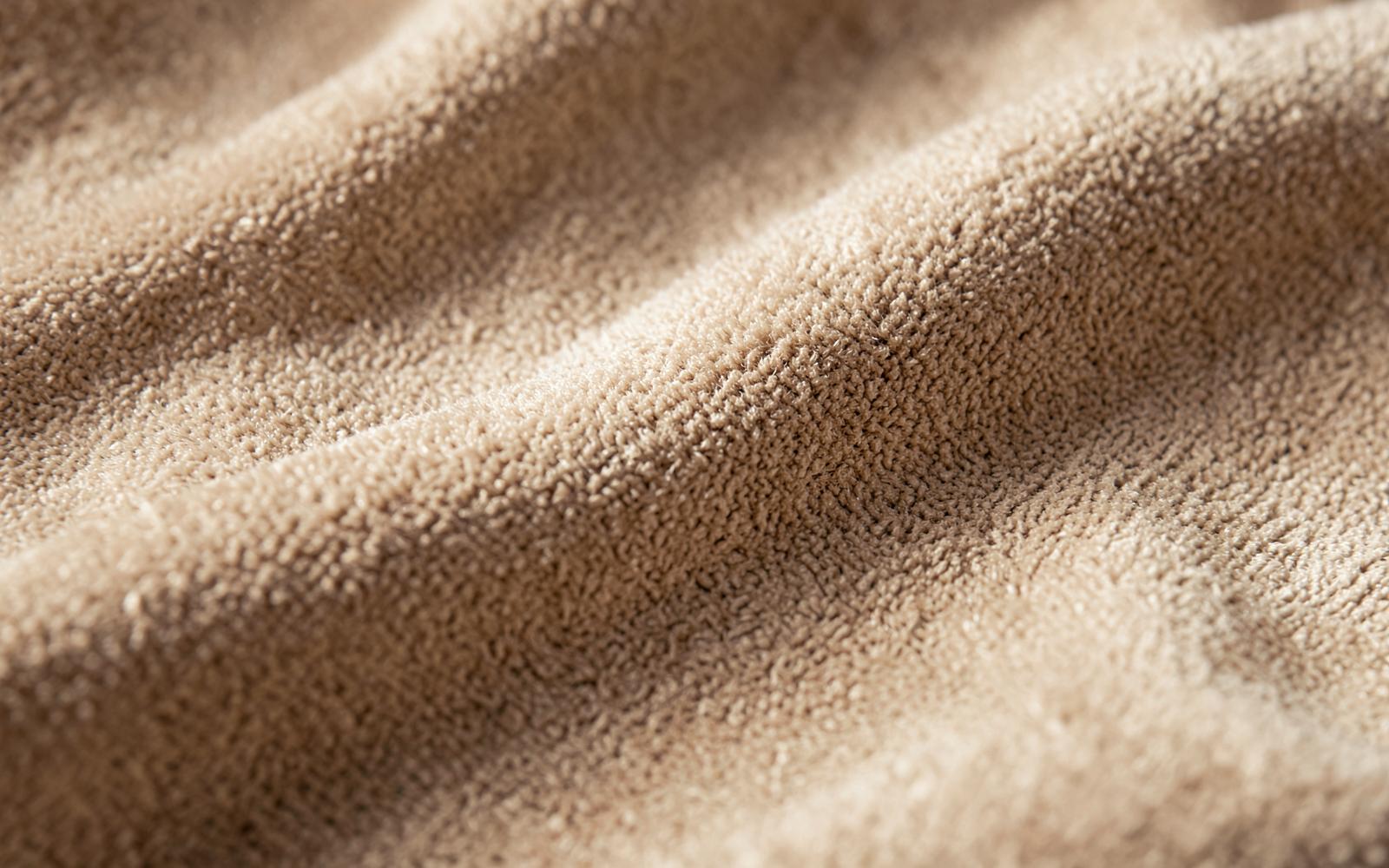
The collection spans supple leather, embroidery, beadwork, fur and richly textured finishes.
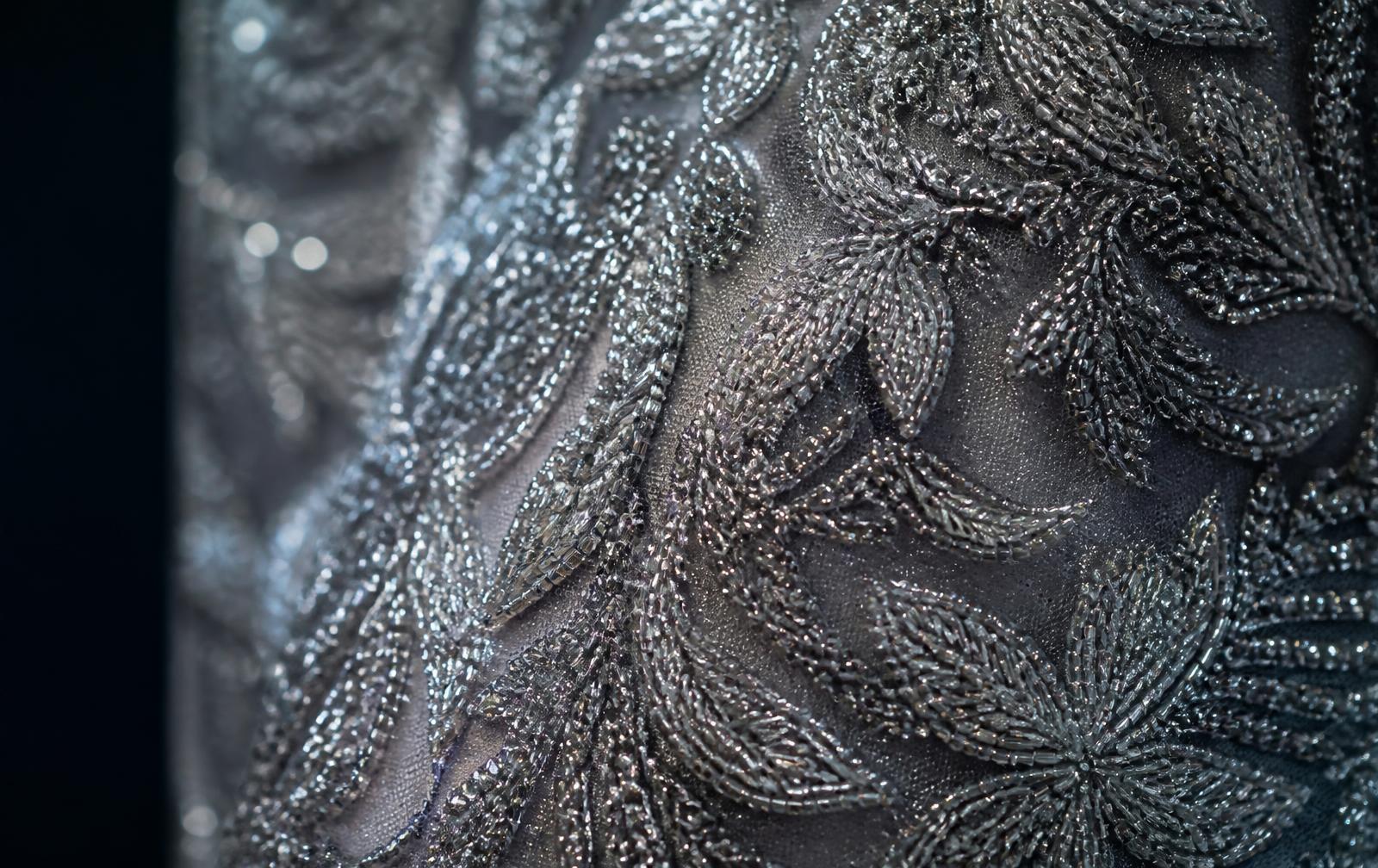
Some versions are quiet and easy to wear. Others are deliberately theatrical.
One silver version is embroidered by hand with around 60,000 micro-beads and takes more than 90 hours to complete. It is the kind of bag designed to be the focal point of an outfit rather than simply an accessory within it.
That contrast is what makes the Baguette interesting again.
It can still be the bag you throw on with denim and a knit, but it can just as easily become an evening piece with a tailored suit, a slip dress or something more minimal.
Why the shape still works
A lot of iconic bags are iconic because of their history. The Baguette has history, but it also has something just as important: ease.
Its scale is compact without being overly precious. The shoulder carry feels natural. The silhouette is recognisable, but not so formal that it dictates the rest of the outfit.
That makes it unusually adaptable. A classic leather Baguette works well with a trench, straight-leg denim and loafers.
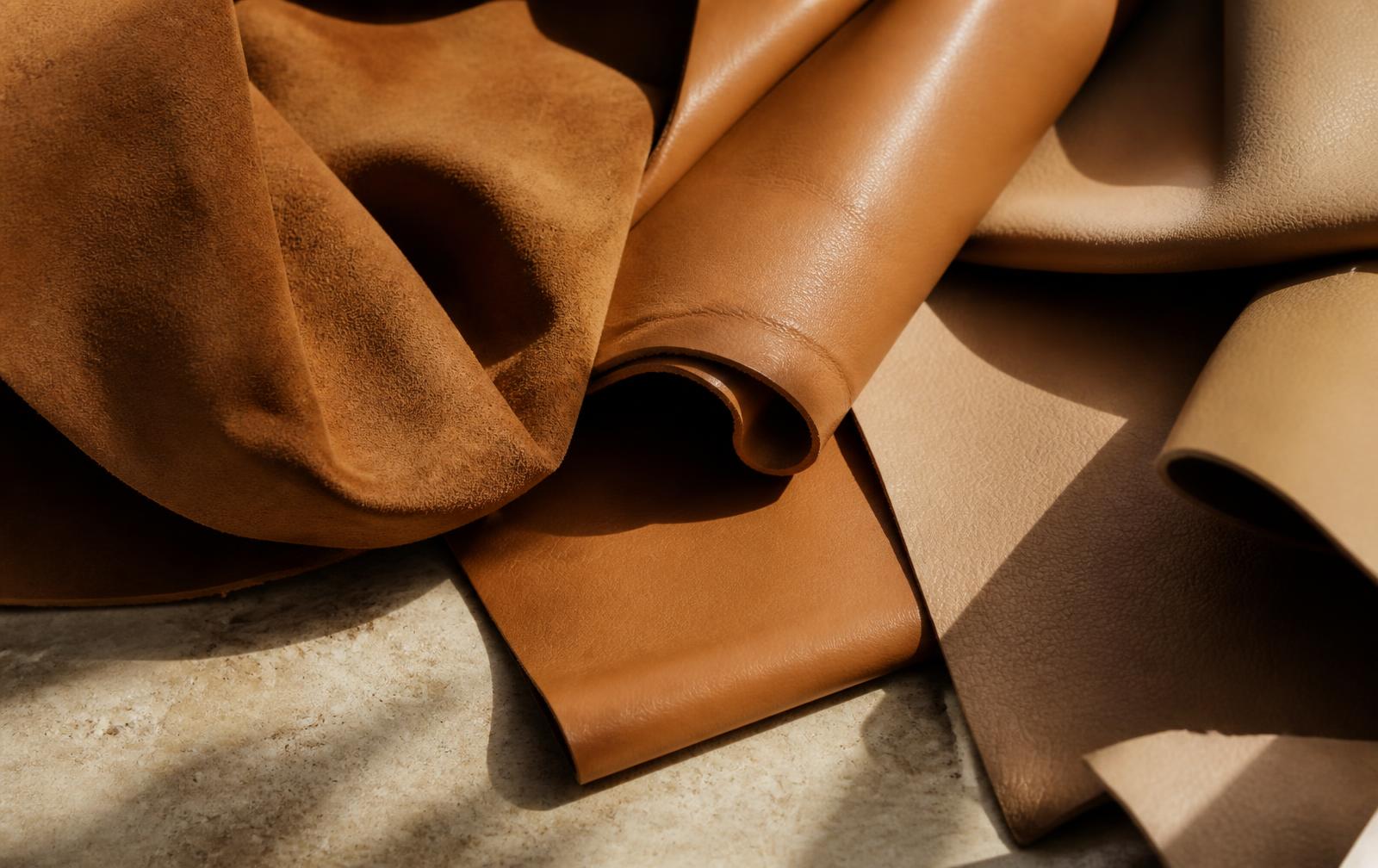
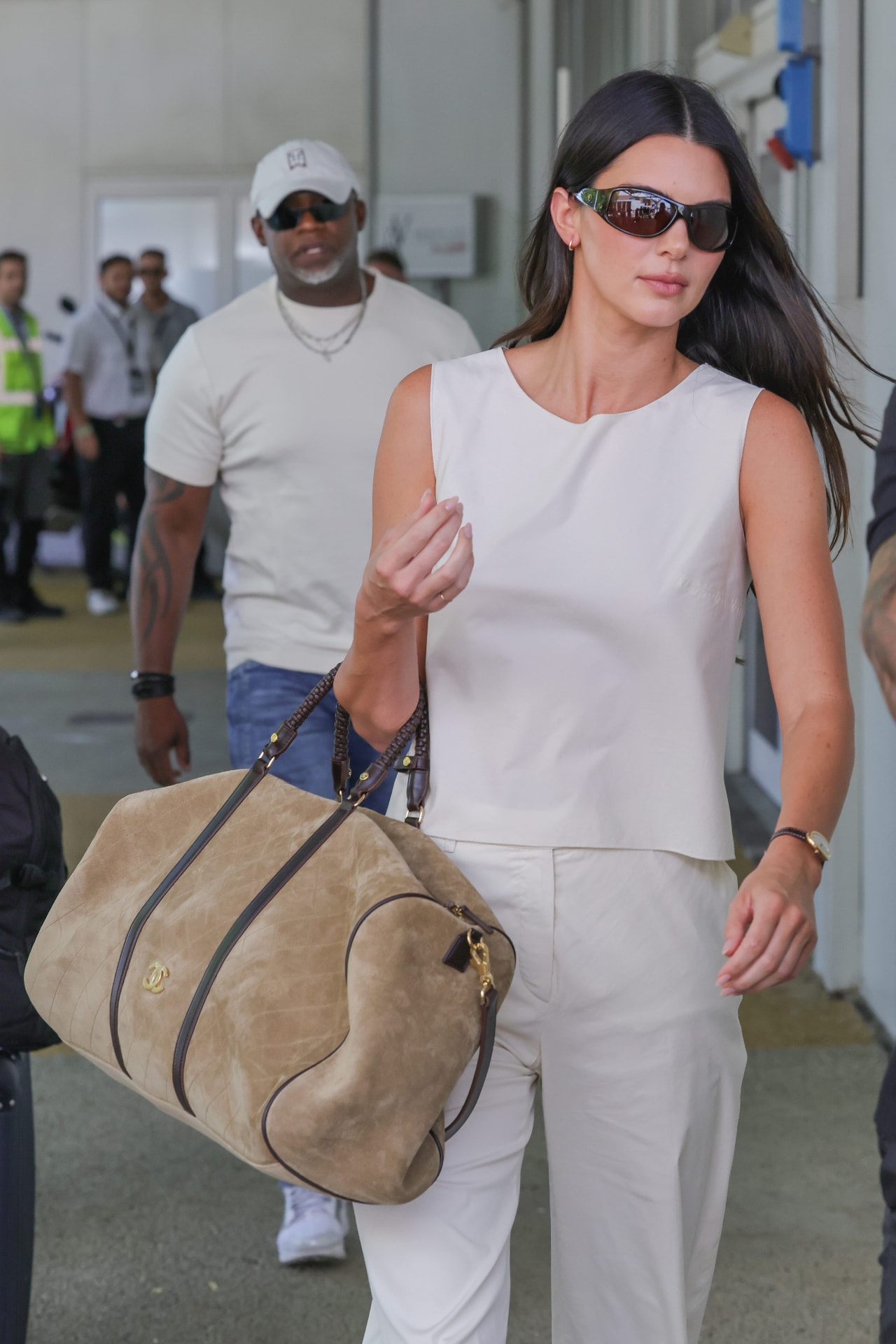
A softer suede or neutral finish can sit comfortably with relaxed tailoring, wide-leg trousers and knitwear. An embellished version does the opposite. It gives a simple black dress, oversized blazer or evening look the one strong element it needs. The bag does not need a particular dress code around it. That is part of its longevity.
The return of the statement shoulder bag
For several seasons, luxury wardrobes have been dominated by larger totes, practical crossbody bags and understated leather shapes. The Baguette brings back something slightly different. It is compact, visible and designed to sit as part of the outfit. That feels increasingly relevant as fashion shifts back towards bags with more personality.
The appeal is not necessarily about logos or excess. It is about choosing a bag that contributes something visually. A textured or embellished Baguette can make a very simple outfit feel considered. A classic leather version can add polish without making the look feel too dressed. That flexibility gives the silhouette a clear place in a modern wardrobe.
Which version works for you?
The best Baguette is not necessarily the most elaborate one. It depends on what is already in your wardrobe and how you actually dress.
If your style is neutral, tailored and understated, a classic leather or suede version is likely to work hardest. It can move from daytime to dinner and sit easily alongside pieces you already own.
If your wardrobe is mostly black, navy, cream or grey, one of the embroidered or beaded versions can act almost like jewellery. The bag becomes the point of interest.
If you already own several classic shoulder bags, choosing a stronger colour, texture or finish may give you something genuinely different rather than another variation of the same look.
This is where the Baguette works particularly well.
There is enough consistency in the silhouette to feel familiar, but enough variation in the finishes to make each version feel distinct.
How we would wear it
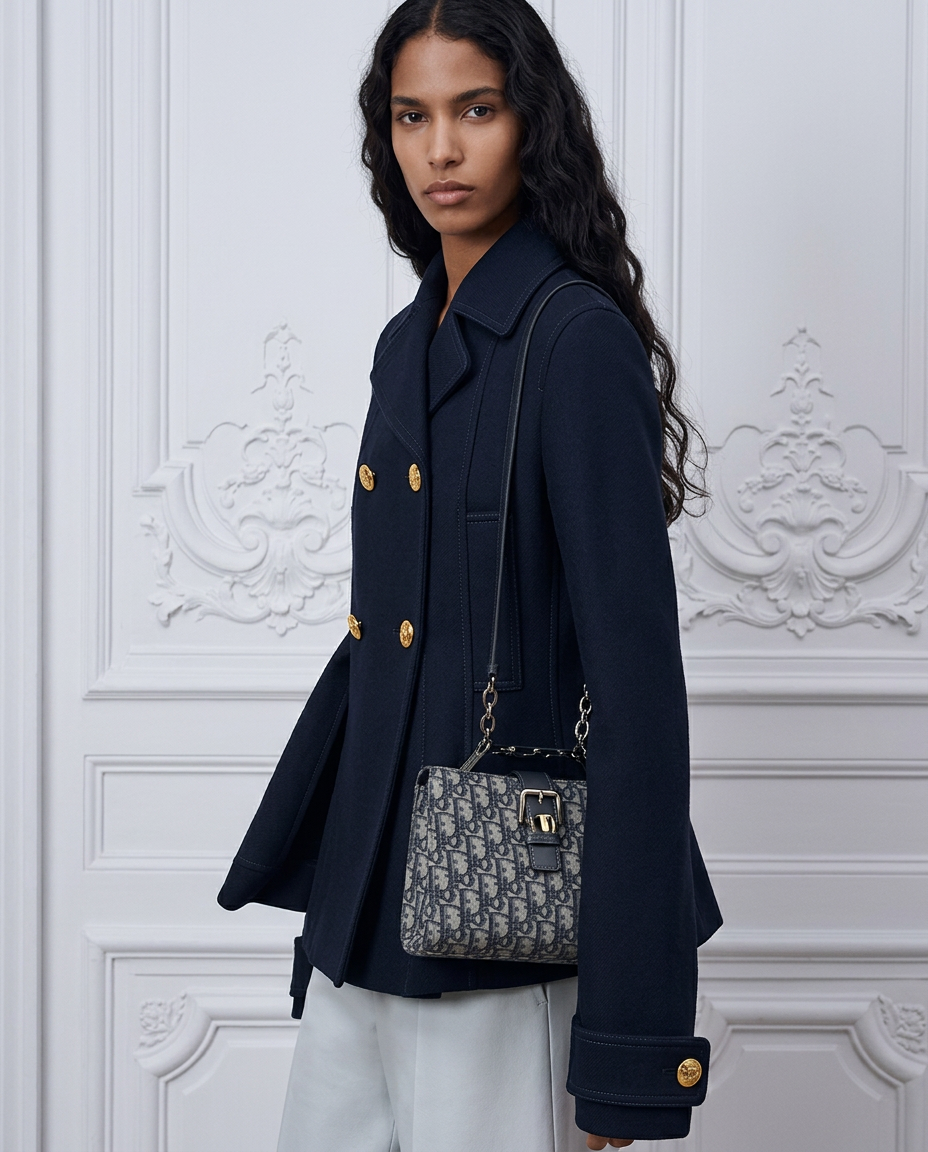
For daytime, pair a leather Baguette with straight-leg denim, a white shirt, blazer and loafers. For work, style a neutral version with wide-leg trousers, a fine knit and structured outerwear.
For dinner, let an embellished Baguette do the work with a simple black dress or relaxed tailoring. For weekends, a softer version works with knitwear, sneakers and a long coat without making the outfit feel too polished. The key is not to over-style it.
The Baguette works best when it feels like part of the outfit rather than the entire outfit.
Why this launch matters
Fendi has not tried to reinvent the Baguette. It has simply reminded people why the shape worked in the first place. It is easy to wear, instantly recognisable and adaptable enough to move between very different wardrobes.
The new collection gives the bag more range, from practical everyday versions to pieces that feel closer to evening accessories or statement jewellery.
That is what makes the Baguette relevant again. Not because it is back. Because it never really stopped working.
The MEA Edit
- Best for
- Everyday styling, evening dressing and adding texture to a simple wardrobe
- Wearability
- High
- Versatility
- High
- Style impact
- Depends on finish
- Keep an eye on
- Suede, textured leather and embellished versions that feel distinct without becoming difficult to wear
Fendi / Baguette / New collections / Shoulder bags / Trends