Are Designer Bags My Guilty Pleasure?
There is always one category where sensible thinking becomes slightly less reliable. For some people, it is shoes. For others, it is restaurants, travel or chairs that cost more than a sofa should. For me, it might be designer bags. I can explain the craftsmanship. I can talk about leather quality, construction, design history and cost per wear. I can point out that a great bag can be used for decades. All of that may be true. But sometimes I simply want the bag.
3 minute read
The guilt usually arrives before the purchase
Luxury bags are expensive. There is no clever calculation that changes that.
You can compare the price with how often you will carry it. You can look at resale value. You can divide the cost across five hypothetical years of use.
Eventually, however, you still have to decide whether this beautiful object is worth that much money to you. That is where guilt enters.
It asks whether the money should be spent on something more practical, responsible or important. There will almost always be something more sensible to buy than a handbag.
The question is whether every purchase has to be the most sensible one available.
Pleasure does not need a business case
We have become very good at making luxury purchases sound rational.
It is an investment. It is a future classic. It has strong resale value. The leather will last forever.
Sometimes these arguments are helpful. Sometimes they are simply a more respectable way of saying, 'I love it.'
A designer bag does not have to increase in value to justify the pleasure it gives you.
It can make a familiar outfit feel new. It can remind you of a trip, celebration or achievement. It can become part of how you present yourself to the world.
That value is personal. It will never appear on a resale chart.
But pleasure and impulse are not the same thing
Removing the guilt does not mean removing judgement.
There is a difference between buying something you have considered carefully and chasing the brief excitement of acquiring something new.
A bag is less likely to become a regret if you have wanted it for longer than a few days, it works with your actual wardrobe, you can comfortably afford it, you would still choose it without social media approval, you know when and where you will carry it, and you are not buying it to fix a completely unrelated feeling.
The last one is particularly important.
A bag can mark a good moment. It cannot create one on demand.
Do I want the bag or the idea around it?
Sometimes we are attracted to the life a bag appears to represent.
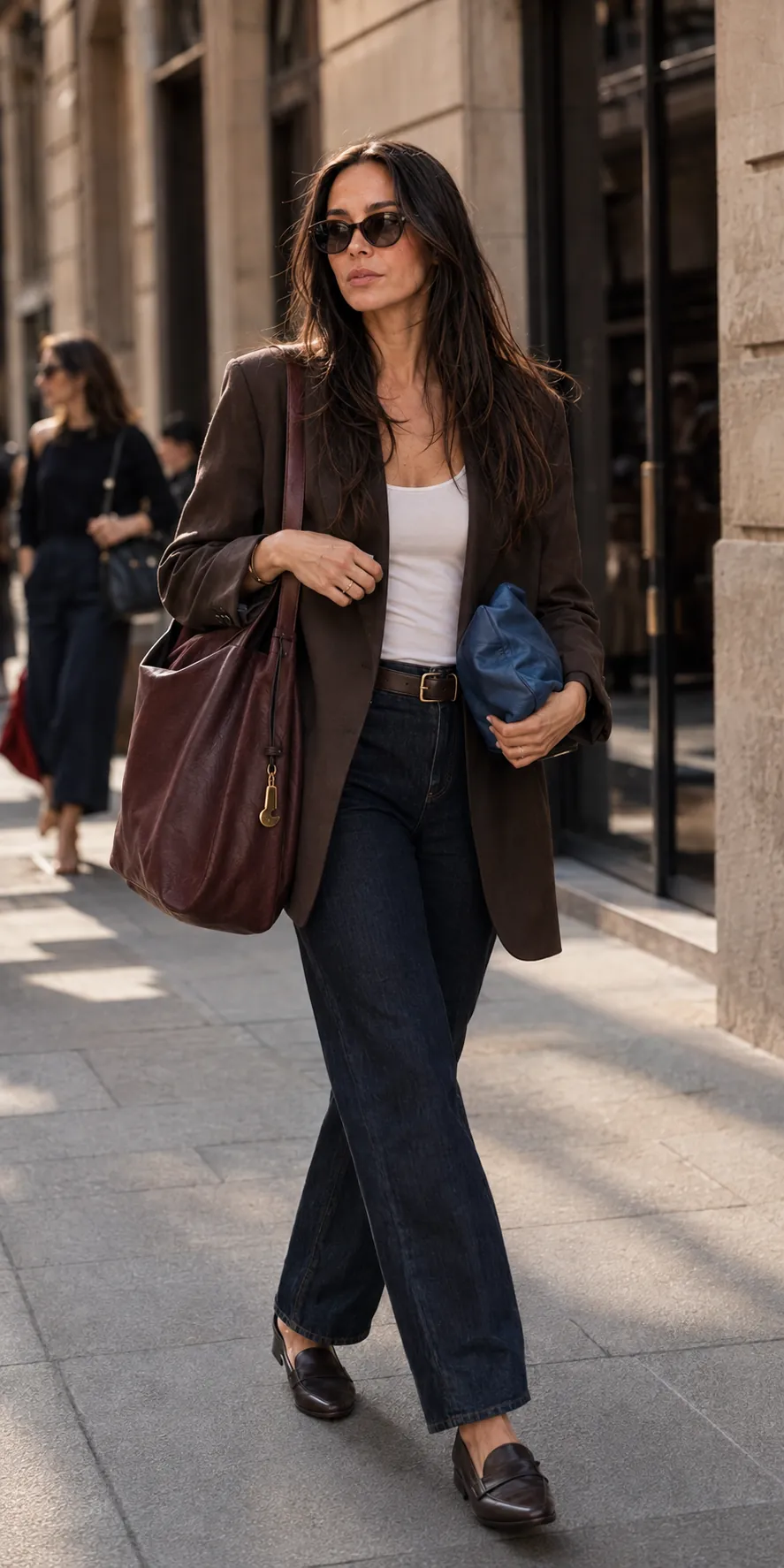
The woman carrying it is always composed. Her coat sits perfectly. Her coffee never spills. She travels frequently, packs lightly and is somehow never late.
Buying her bag will not automatically give you her imaginary life. It may not even give you a bag that suits yours.
Before buying, separate the object from the fantasy.
Would you still love it on an ordinary Tuesday? Would you carry it to the supermarket? Would it work with your oldest jeans? Would you be comfortable placing it under a restaurant table?
The right bag should belong in your real life, not only in the one shown in the campaign.
The collection can become the problem
One designer bag can feel special. Twenty bags can begin to feel like storage.
The pleasure often disappears when a collection grows faster than it can be enjoyed.
You forget what you own. Similar styles repeat themselves. Bags remain in their boxes because another purchase has already taken their place.
At that point, the question is no longer whether designer bags are a guilty pleasure. It is whether acquiring them has become more satisfying than carrying them.
A collection should make getting dressed more enjoyable. It should not become an inventory you feel obliged to manage.
Perhaps the guilt is trying to tell you something
Not all guilt is unnecessary. Sometimes it is useful information.
If buying the bag creates debt, interferes with your financial priorities or needs to be hidden from someone affected by the purchase, the discomfort deserves attention.
If you feel guilty because you were taught that spending money on yourself is frivolous, that may be a different conversation.
The goal is not to silence every uncomfortable feeling. It is to understand where it comes from.
The MEA verdict
Designer bags can absolutely be a pleasure.
They can represent craftsmanship, personal style, memory and joy. They can also be expensive objects that do not need to pretend to be financial investments.
The healthiest way to enjoy them is honestly. Buy fewer. Choose slowly. Know what you can afford. Carry what you own.
Let the bag become part of your life rather than preserving it for a perfect occasion that may never arrive.
And if you love it, use it and paid for it without compromising something more important, perhaps there is nothing to feel guilty about. Maybe it is simply your pleasure.
The MEA Edit
- Pleasure is valid
- A bag does not need to be an investment to justify its joy
- Separate object from fantasy
- Would you still want it on an ordinary Tuesday?
- Watch for impulse
- Buying to fix an unrelated feeling rarely works
- Collections can spoil
- More bags are less enjoyable if you forget what you own
- Listen to useful guilt
- Debt and secrecy deserve attention
If you love it, use it and paid for it without compromising something more important, perhaps it is simply your pleasure.
Collection / Mindful Collecting / Designer Bags / Personal Style / Buying Better / Care